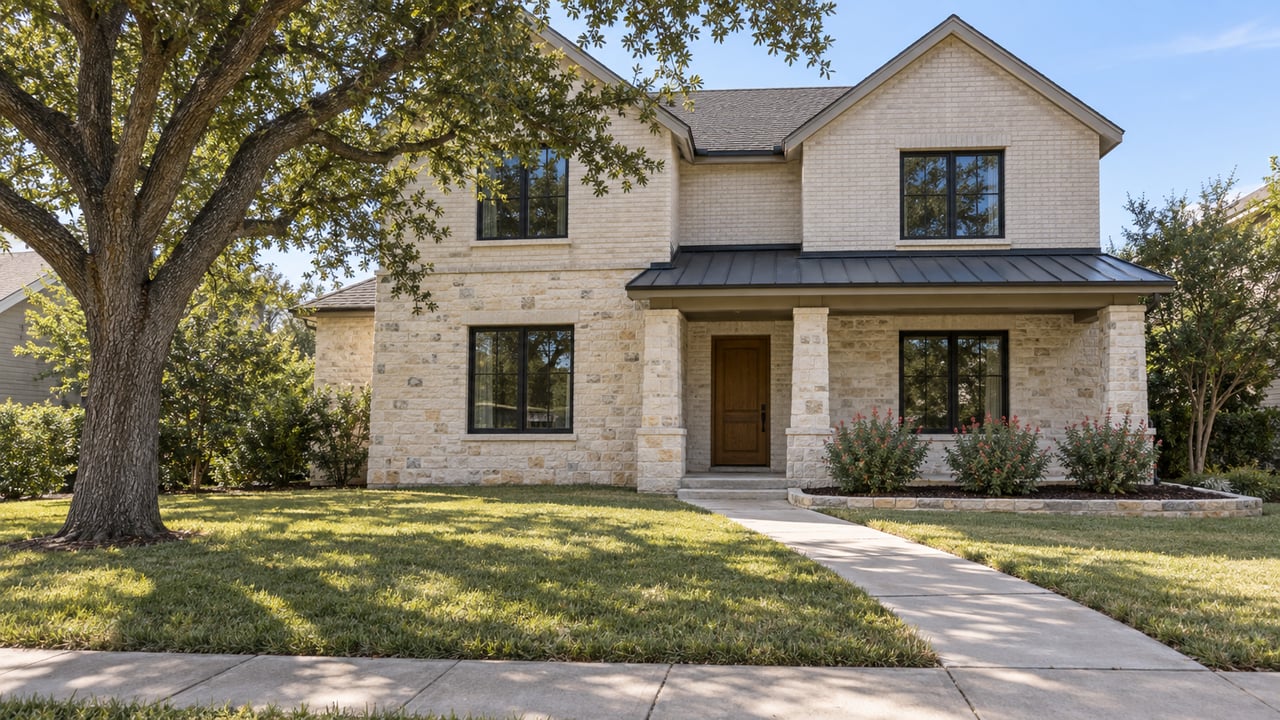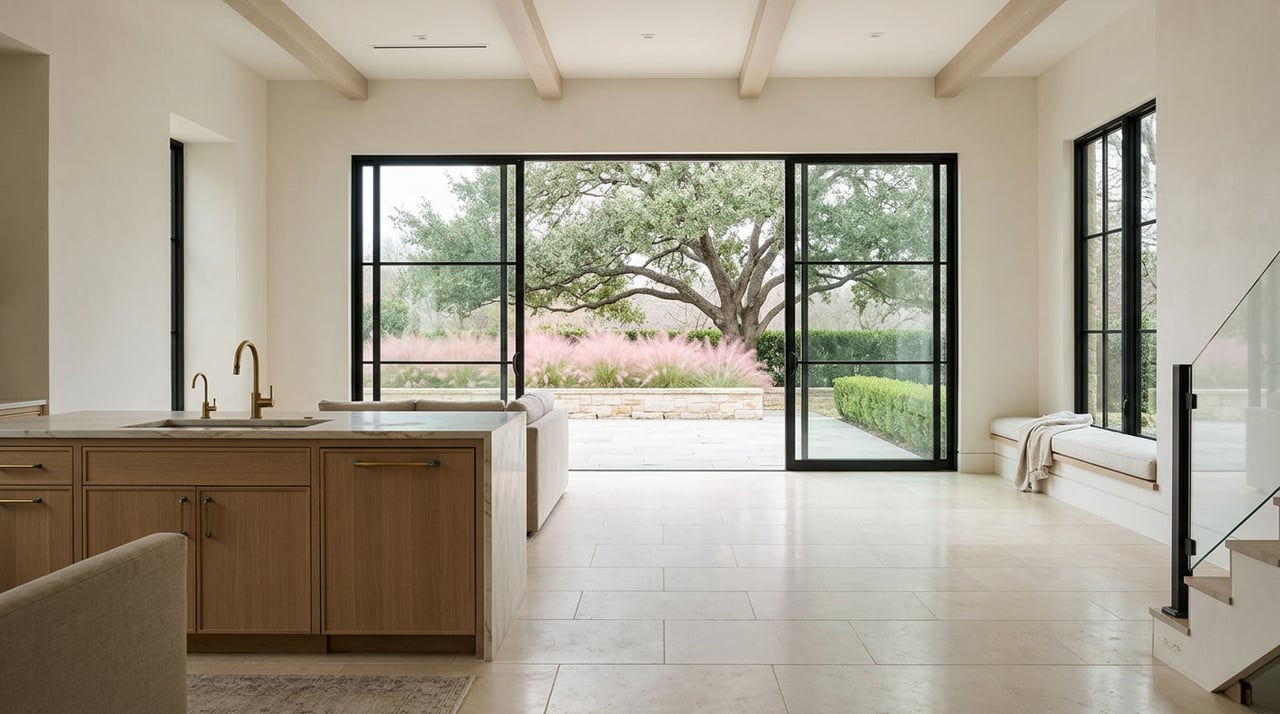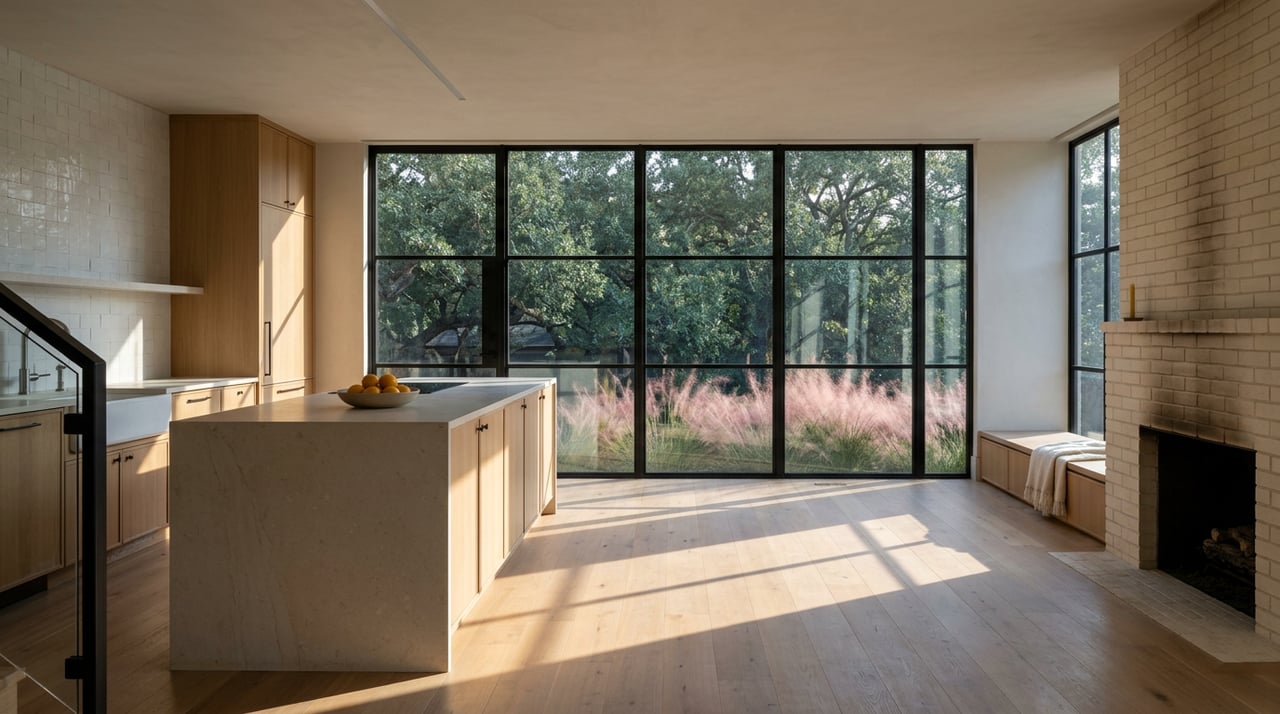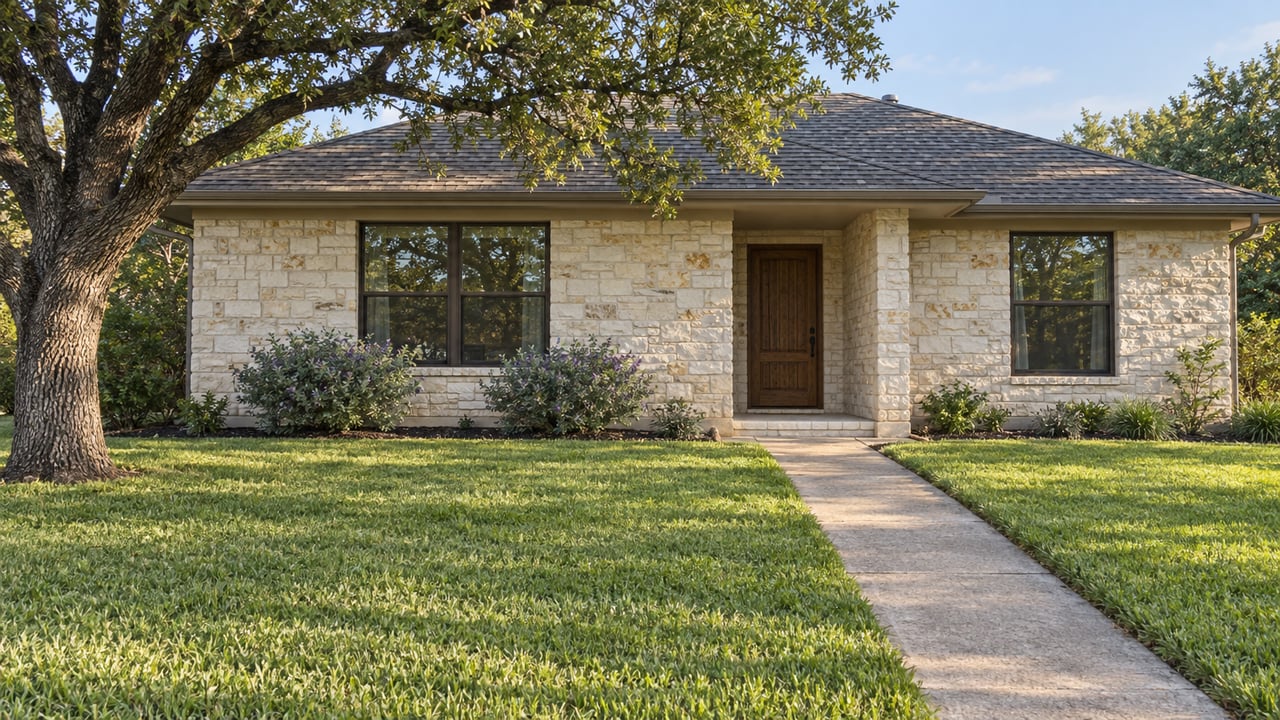
Ask anyone selling a home in Sun City Georgetown right now what the HOA dues run, and you'll get several different answers depending on which section of the community they're in. Ask what happens to those dues once the community finishes building, and most people won't know there's a specific number attached to that question at all.
There is. The Sun City Texas Community Association's own governance rules tie a real change in who controls the board, and by extension who decides how assessment money gets spent, to a construction milestone the community hasn't quite reached. Buyers evaluating a resale home today are still buying into a board where the developer holds the deciding vote. That won't last much longer, and the shift is worth understanding before it happens, not after.
The Vote Nobody Reads Before They Sign
The Community Association's board has seven seats. Three are designated by the developer, and each of those three carries a full vote. Four are elected by residents, and each of those four carries half a vote. Run the math and the developer holds three votes to the residents' two, even though residents fill more chairs at the table. That arrangement stays in place until the community reaches 95 percent build-out, per the association's own governing rules. Past that line, board control passes fully to residents.
Sun City is close. Recent reporting on the community's own figures puts it at roughly 9,700 homes built out of a planned 10,500, which works out to about 92 percent complete. Closing the gap to 95 percent takes something in the neighborhood of 275 more closings. That's not a distant milestone. Depending on how quickly the remaining sections sell, a buyer closing on a resale home this year could plausibly own that home through the exact point where board authority changes hands.
What changes in practice is who decides on reserve funding, amenity upgrades, and how aggressively to raise assessments if costs rise. A developer with homes still to sell has an incentive to keep the community looking finished and dues looking manageable. A fully resident-controlled board answers to owners who already closed and now live with the consequences of every budget vote. Neither structure is better or worse on its face, but they are different, and a buyer signing a resale contract today is buying into the first one, not the second.
A Market That's Already Splitting Between New and Resale
The build-out question isn't just about governance. It's already reshaping how homes trade.
As of late September 2026, Sun City had 121 homes actively listed at a median list price of $359,000, sitting on the market a median of 50 days. In the trailing month, 44 homes closed at a median sale price of $377,250 in 47 days. Zoom out to the trailing twelve months through mid-2026 and the picture holds steady: 565 closings, a median sold price of $382,000, an average of $417,044, and homes moving at 98 percent of list price after a median of 49 days on market. Median size across those sales ran about 1,840 square feet, pricing out to roughly $215 per square foot.
That 98 percent list-to-sold ratio is the number worth sitting with. It means Sun City resale sellers aren't discounting heavily to move homes, and they aren't sitting on stale listings either. This is already a functioning, liquid resale market, running in parallel with active new construction from Del Webb, which continues to release floor plans with move-in dates advertised into the winter.
The two channels behave differently, and the difference comes down to incentives rather than home quality. A builder with unsold inventory generally protects list price and offers concessions like a lower interest rate instead, because a rate buydown doesn't show up as a lower recorded sale price the way a price cut does, and a lower recorded sale price resets the comp for every other home the builder still owns nearby. A resale seller has no such constraint. They can negotiate on price directly, and at a median of 49 days on market, most of them do reach a deal without an extended standoff.
Once new construction runs out, that dynamic disappears. Every transaction becomes a resale negotiation, full stop. The market isn't there yet, but the runway is short enough that anyone buying today should understand they're catching the tail end of a dual-channel market, not the start of one.
The Line Item Every Listing Prices Differently
Search for Sun City's HOA dues and the numbers that come back rarely agree. Some of that is outdated content circulating online. Some of it is a real structural difference that most general searches miss entirely.
The base annual assessment, confirmed directly with the Sun City Texas Community Association, sits at $1,960 as of 2026, up only modestly from roughly $1,900 the year before. The association describes that kind of gradual increase as typical over the past five years, with no new increase currently announced.
But seven specific neighborhoods carry a different number. Sections 14a, 24a, 25, 30, 24B1, 24B2, and 33 are designated Garden Home neighborhoods, where landscape maintenance, including tree and shrub care, irrigation, and soil treatment, is handled by the community rather than the individual homeowner. That convenience comes bundled into the assessment, pushing the effective annual HOA line to roughly $2,900 in those sections. Two homes priced identically, one in a Garden Home section and one outside it, can carry meaningfully different total costs, and that difference lives entirely in the HOA number, not the listing price.
There's also a one-time contribution due at closing, sometimes called a working capital fee, and published figures for that amount vary as well. The only way to know the real number for a specific home is the resale certificate generated for that transaction, not a general web search.
One thing does simplify the tax picture. According to Georgetown's own GIS mapping, Sun City carries no Municipal Utility District or Public Improvement District, the special taxing districts that add a separate line to the annual tax bill in many newer master-planned communities around Central Texas. Property taxes still apply at the county level, of course. Williamson County's effective rate generally runs between 1.9 and 2.2 percent of appraised value, which on a home near the current median of $382,000 lands somewhere between $7,300 and $8,400 a year before any exemptions. A homestead exemption, once filed after closing, reduces the value used for school district taxes by $100,000 under current Texas law, a detail worth reviewing with a tax professional rather than estimating from a blog post.
Reading a Resale Home for What It's Actually Worth
None of this shows up on a listing sheet. It shows up in the resale certificate, the HOA budget, and the section number stamped on the plat. For a 55-plus buyer or an adult child helping a parent evaluate a move, the practical task is separating the price of the house from the price of the section it sits in, and separating both from what board control will look like a few years from now.
The physical community isn't changing regardless of who sits on the board. Three golf courses, including Legacy Hills, White Wing, and Cowan Creek, several fitness centers, and a weekly farmers market are already built and already operating. What's changing is the paperwork behind the front door, and that's exactly the kind of detail that's easy to miss when a home looks move-in ready and the yard is already landscaped.
Sun City has grown from a small fraction of Georgetown's population in the 1990s to roughly a fifth of the city by 2020, which is part of why decisions made inside the community increasingly ripple into conversations about Georgetown's growth more broadly. A community this size doesn't finish building quietly, and the last stretch to full build-out is worth watching closely if you're on either side of a transaction there.
A Few Questions Worth Asking Before You Sign
Is Del Webb still building new homes in Sun City right now? Yes. As of fall 2026, new floor plans remain available with move-in dates advertised into the winter, though the remaining buildable land is finite and shrinking as the community closes in on its planned 10,500 homes.
Does every Sun City neighborhood follow the same HOA rules? No. The seven Garden Home sections carry a mandatory landscape maintenance program that the rest of the community doesn't, and that difference shows up directly in the annual assessment.
Will dues jump once the developer loses board control? Not necessarily, but every reserve and assessment decision made after that point rests entirely with resident-elected board members. It's a fair question to ask directly rather than assume either way.
A resale certificate, a section number, and a build-out percentage don't usually make it into a walkthrough, but they shape what a home actually costs to own for the next decade. If you're weighing a purchase or a sale inside Sun City and want someone who reads that paperwork with the same attention as the foundation and the roofline, Taute Homes is glad to walk through it with you.